


Uncategorized
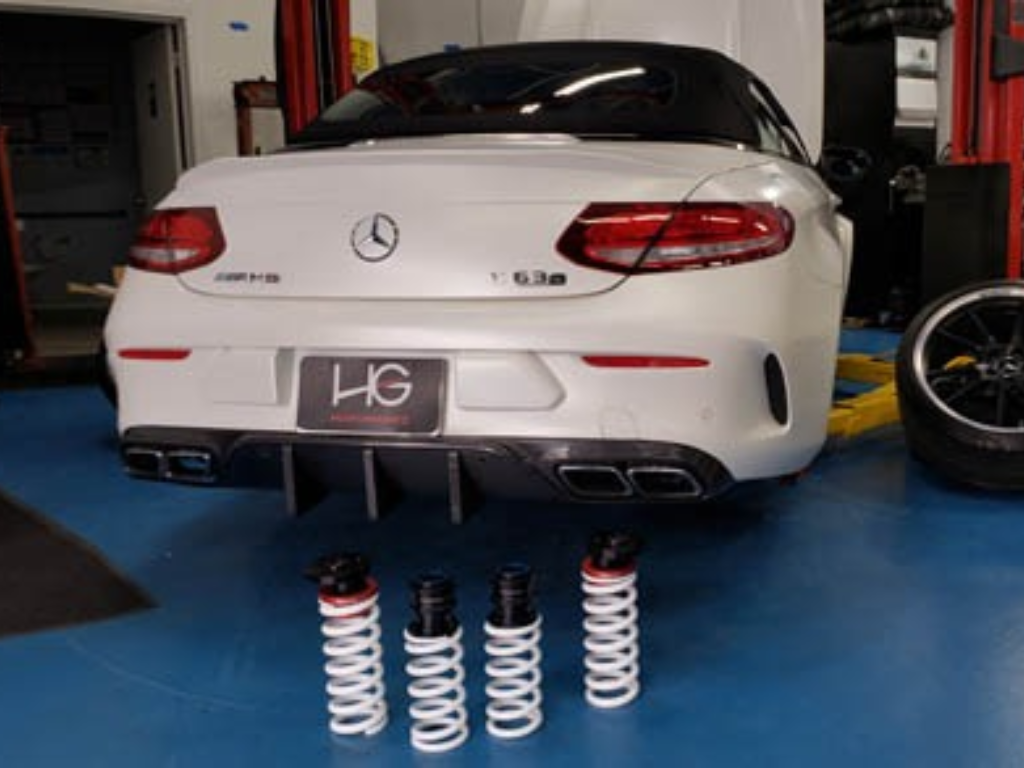
Coilovers have no universal replacement mileage. Their lifespan depends on the design, installation, road conditions, ride height and maintenance. Manufacturer service intervals also vary by kit.
If your car has started to bounce, clunk or show oil around a damper, an inspection can help determine whether the problem involves the shock, mounting hardware or another suspension component. HG Performance offers suspension service and upgrades in San Marcos for cars and SUVs of all makes and models, with options depending on the vehicle.
Some street coilovers provide years of service, while others need attention sooner. Mileage alone cannot tell you whether a kit is healthy or ready for replacement.
A coilover combines a spring and damper in one assembly. Many aftermarket kits also allow ride-height adjustment. The damper controls suspension movement, while the spring supports the vehicle’s weight. Both components, along with their mounts and adjustment hardware, need to remain in good condition.
| Factor | Why it matters |
| Kit design and quality | Materials, seals and construction affect durability and serviceability |
| Road conditions | Repeated pothole impacts and rough surfaces increase suspension loads |
| Ride height and setup | An unsuitable setup can reduce available travel and cause frequent bottoming |
| Climate and exposure | Moisture, salt and dirt can corrode components and seize adjusters |
| Maintenance | Inspections can identify leaks, worn mounts and damaged hardware |
| Manufacturer requirements | Some kits have recommended service or overhaul intervals |
Low mileage does not guarantee good condition. A car that sits for long periods can still develop corrosion or age-related deterioration.
Follow the kit manufacturer’s inspection and service guidance. If the brand or service history is unknown, have the suspension assessed before deciding whether to keep, rebuild or replace it.
Southern California driving can expose coilovers to potholes, uneven pavement, dust and coastal moisture. Vehicles used in mountain areas or previously driven in winter conditions may also have been exposed to road salt.
Repeated impacts can damage suspension components, particularly when the setup has insufficient travel. A very low ride height may increase the likelihood of contact with the bump stops, depending on the kit’s design and adjustment.
Coastal exposure can contribute to corrosion on threads, collars and mounting hardware. Clean the components according to the manufacturer’s instructions, and avoid directing a pressure washer at seals or other sensitive areas.
For a used vehicle, service records and its previous location can help explain the condition of its suspension.
A change in how the car rides or handles is a reason to have the suspension checked. Worn dampers can reduce control over wheel movement, but similar symptoms can also come from tires, alignment, mounts or other components.
Signs that warrant an inspection include:
A light oil film, surface corrosion or a consistently firm ride does not automatically mean the coilovers need replacement. These observations still need context.
For example, a small amount of misting may be acceptable on some dampers, while fresh wet leakage may indicate a problem. Corrosion also varies in significance depending on its location and depth.
The manufacturer’s guidance and a physical inspection are more useful than judging the kit from one symptom alone. HG Performance accepts suspension repair and maintenance inquiries.
Visible wet leakage should be inspected promptly. Dampers rely on fluid and internal components to control suspension movement, and a leak can affect their performance.
A light film around the shaft is different from oil running down the body. Whether that film is acceptable depends on the damper and its manufacturer’s criteria.
If you notice oil, photograph the area and arrange an assessment. Do not assume that wiping it away resolves the issue. If leakage comes with excessive bouncing, unstable handling or a sudden change in control, avoid continued driving until the vehicle has been assessed.
A leak does not automatically mean the entire coilover kit must be replaced. Depending on the product and the damage, repair, rebuilding or damper replacement may be possible.
Clunking does not always mean the damper has failed. Noise can come from mounting hardware, worn components, incorrect installation or contact between parts.
Possible causes include:
The sound alone is not enough to identify the cause. A clunk that remains after one component is checked does not prove the shock has lost its damping.
Have the installation and surrounding suspension inspected before ordering a replacement kit. If the noise began immediately after installation or adjustment, include that detail when requesting service.
Height adjusters can seize when dirt, moisture and corrosion build up between the collar and threaded body. Long periods without inspection can allow that buildup to go unnoticed.
Adjustment methods vary. On some coilovers, moving the spring perch affects ride height and preload. Other designs use a separate lower mount for height adjustment. Follow the instructions for the specific kit.
Avoid hammering a stuck collar or forcing it with unsuitable tools. This can damage the adjuster or threads and make the repair more difficult.
A seized adjuster does not automatically require a new kit. The decision depends on whether the assembly remains secure, whether the threads are damaged and whether the damper is functioning correctly. Deep corrosion, cracks or damaged mounting areas require professional assessment.
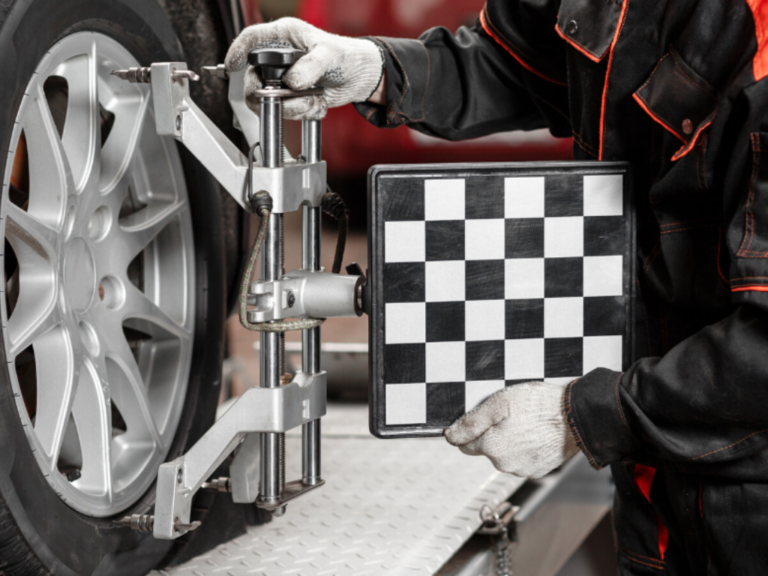
If the ride height changes, have the alignment checked at the final approved setting. Learn more about 4-wheel alignment.
A rebuild may make sense when the damper is designed to be serviced, suitable parts are available and the assembly is structurally sound. Replacement may be more practical when the kit is damaged, cannot be serviced or would cost nearly as much to rebuild as to replace.
| Condition | What to consider |
| Serviceable damper with sound components | Ask a qualified specialist about rebuild availability and cost |
| Bent, cracked or heavily corroded components | Have the damage assessed before further use |
| Non-serviceable damper | Check whether replacement dampers or a complete kit are available |
| Rebuild cost close to replacement cost | Compare the full costs, including removal, installation and alignment |
| Kit no longer suits the car’s use | Consider a more suitable suspension setup |
Rebuild availability varies by brand, product and region. Confirm support for the exact part number rather than assuming every kit from a manufacturer can be rebuilt.
Damper disassembly should be handled by a qualified specialist. Some assemblies contain pressurized gas, and suspension springs store substantial energy.
Whether one damper, an axle pair or the full kit needs attention depends on the manufacturer’s guidance and the condition of the remaining components.
Follow the manufacturer’s schedule if one is provided. Some products have specific service intervals, while others rely more heavily on inspection and operating conditions.
A dry, quiet damper is not necessarily healthy, and mileage alone does not prove that a rebuild is due. Handling changes, leakage, component wear and service history all matter.
Include suspension checks in the vehicle’s maintenance plan. The appropriate frequency depends on the kit and how the car is used.
Before requesting advice, gather:
Photos can help explain the concern, but they cannot replace a physical inspection or confirm internal damper condition.
Send your details through HG Performance’s contact page to ask about assessment and suitable next steps. Rebuild availability should be confirmed for the specific kit.
Before ordering a rebuild or a new kit, identify what is causing the problem. A worn mount, damaged adjuster and leaking damper can require different solutions.
HG Performance offers suspension service and upgrades for cars and SUVs of all makes and models, with service availability depending on the vehicle and setup. The business has operated since 1969, and its San Marcos location at 182 Pawnee St has operated since 2018.
Contact HG Performance with your vehicle and suspension details before ordering parts.
There is no universal answer. Kit design, installation, ride height, road conditions and maintenance all affect service life. A well-matched street setup may provide long service, while an unsuitable or poorly maintained setup may need attention sooner.
No. A limited lifetime warranty is subject to the manufacturer’s terms and does not mean every worn component qualifies for free replacement. Check the policy for the exact product, including normal-wear exclusions, proof-of-purchase requirements and transferability.
It depends on the product and available service support. Confirm the exact part number with Bilstein or a qualified suspension service provider. Do not assume that rebuild options for motorsport products also apply to every street kit.
A used kit requires careful assessment. Confirm vehicle fitment, service history, component condition and whether replacement parts remain available. Warranty coverage may not transfer to a new owner.
The purchase price should also account for any inspection, service, replacement hardware, installation and alignment costs.
Plan for an alignment check after coilover installation or a ride-height change. Follow the kit manufacturer’s instructions for setup and any settling requirements, and have the alignment performed at the intended final height.
If the height is adjusted again later, the alignment may need to be checked again.
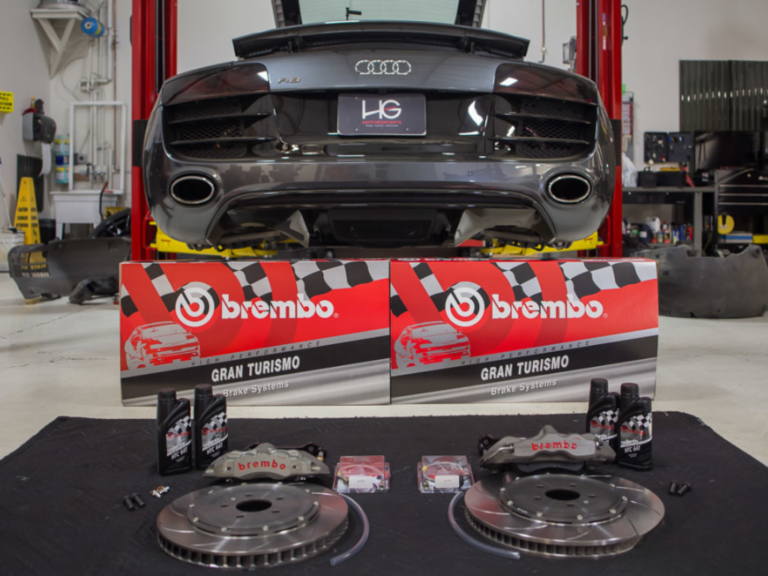

HG Performance provides auto repair, maintenance, diagnostics, and select performance upgrades for cars and SUVs of all makes and models in San Marcos, CA.
© 2026 HG Performance by Blync.io